

You are unique and have your own specific health, nutrition and lifestyle needs. By taking time to understand your needs, I can support you in achieving your health goals.

Friendly atmosphere. Client seemed very happy you let her talk.
Student observer
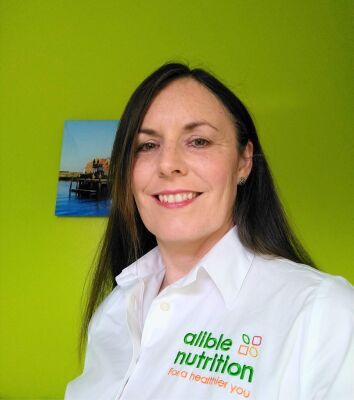
Your body is amazing. It has so many different processes happening all the time, we really are multi-taskers. I find it fascinating what goes on and how all the different parts intereact. And, scientists are continually discovering more about how our bodies work. That is why I decided to turn my long-term interest in health and nutrition into my career.
In 2019, I qualified as a Nutritional Therapist before completing my MSc in Nutritional Science & Practice in 2021. I developed my understanding about how the body works and how the different nutrients influence different functions. I learned how personalised nutrition and lifestyle strategies can help to support a wide range of health conditions, using an evidence-based approach. Once qualified, I registered with BANT and CNHC enabling me to use my knowledge to help others, like you.

To maintain my professional registrations, I am required to complete learning and development activities every year. This means I keep up to date with scientific research, enabling to provide safe, evidence-based advice to my clients.
These registrations offer reassurance that I work to recognised professional standards, follow best practice guidelines, and put the client first.
I am a member of BANT (British Association for Nutrition and Lifestyle Medicine), the professional body for Registered Nutritional Therapy Practitioners in one-to-one clinical practice. BANT also self-regulates BANT Registered Nutritionists®. BANT promotes the application of nutrition and lifestyle sciences for optimum health, disease prevention and client care.
And, I am registered with CNHC (Complementary and Natural Healthcare Council), the UK’s only independent accredited register for complementary healthcare. Set up with the support of government, CNHC works to protect the public by improving regulation and professional standards. Registrants must be suitably qualified and insured. I am insured through Balens Ltd.
Food: The Ideal Vs Reality
A daily trip to the greengrocers, bakery, butcher and fishmonger for the freshest food; beautifully presented dishes, prepared with the utmost care and great skill – so delicious, so homely, so….. idyllic? Sadly, this lifestyle is simply not realistic for many of us. Real life is busy, and food choices have to fit around work lives, schedules, hobbies and energy levels. That’s why it is important to focus on healthful habits that are practical and manageable.
When I work with clients, we agree on a personalised approach that fits their real life. We break changes down into small, achievable steps that are manageable, and not overwhelming. We review their successes and any challenges they face along the way.

My Thoughts on Organics
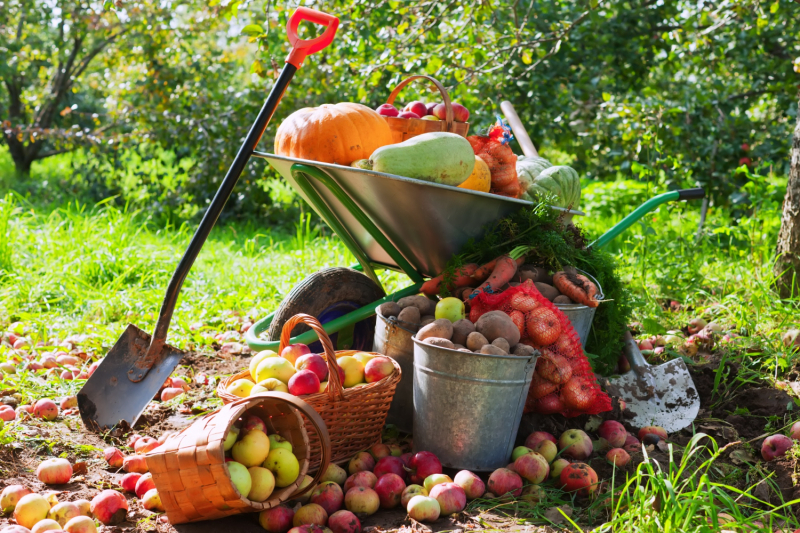
We often read and hear that organic food is better for us. While it is true that it has health benefits, such as reducing toxins in the diet, the hefty price tag and limited availability means organic food is not accessible to everyone.
When working with clients, we focus on the foods and nutrients that support their needs. If buying organic foods is an option, that’s great – if not, we work with what is practicable.
If you want to reduce your pesticide intake, The Pesticide Action Network UK publishes the “dirty dozen” list, detailing the fruit and vegetables that have the most non-organic chemicals applied to them. You can sign-up to receive a copy here.
Whether you choose to buy organic or not, always wash plant foods before you eat them.
A Few of my Foodie Likes and Dislikes
- White potatoes. Despite the bad press, potatoes contain many beneficial nutrients, are versatile, and are easy to grow and store. Cooked & cooled they provide resistant starch – great food for gut bacteria.
- Leafy green veg. Leafy greens provide many nutrients, including fibre (great for the gut). Note: suddenly increasing your intake by a large amount may cause digestive discomfort!
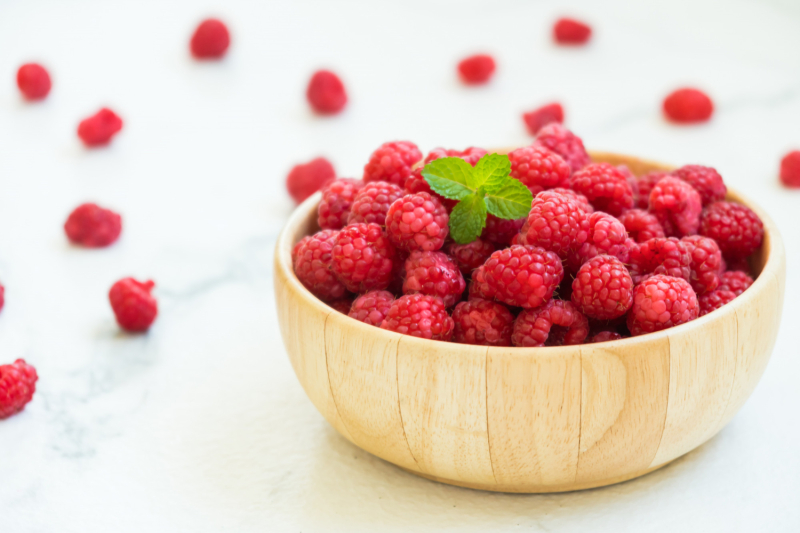
- Raspberries. This soft fruit is full of anti-oxidants and can be eaten as a snack, included in fruit salads, added to desserts, used as a porridge topper…. yum!
- Eggs. For non-vegans, and those without allergies, eggs are the ultimate convenience food. A nutrition power-house that can be enjoyed in a variety of ways.
- Dark chocolate. Chocolate can be good for us! Good quality dark chocolate (at least 70% cocoa solids) is a great source of magnesium, antioxidants and iron. Enjoy it in small amounts.
- Coconuts. These are one of my biggest food dislikes. They are great for us but I don’t like the smell or texture – yuck!

My Top Tip: Make Friends with Your Freezer
Most fruit and vegetables can be stored in the freezer. This is great if you have a glut of summer veggies in your garden, or have some shop bought items that you are unlikely to use. Many can also be bought frozen – this can be cheaper than buying fresh, and they may contain more nutrients than their ‘fresh’ counterparts.
Even meat and fish can be frozen from fresh, or bought frozen. But take care with fish. It may be sold as ‘fresh’ when it is more than a week old, or it may have even been frozen and thawed. If this has been done you may not be able to freeze it once you get home. It is always worth checking the small print!
Even some bakery and dairy products can be frozen to help you manage your shopping days.
Freezers are also useful for batch cooking. Make a large pan of your favourite pasta sauces, or a large shepherd’s pie and freeze the leftovers. This can be a great help with managing budgets, and provides healthful convenience foods for when you are short on time.