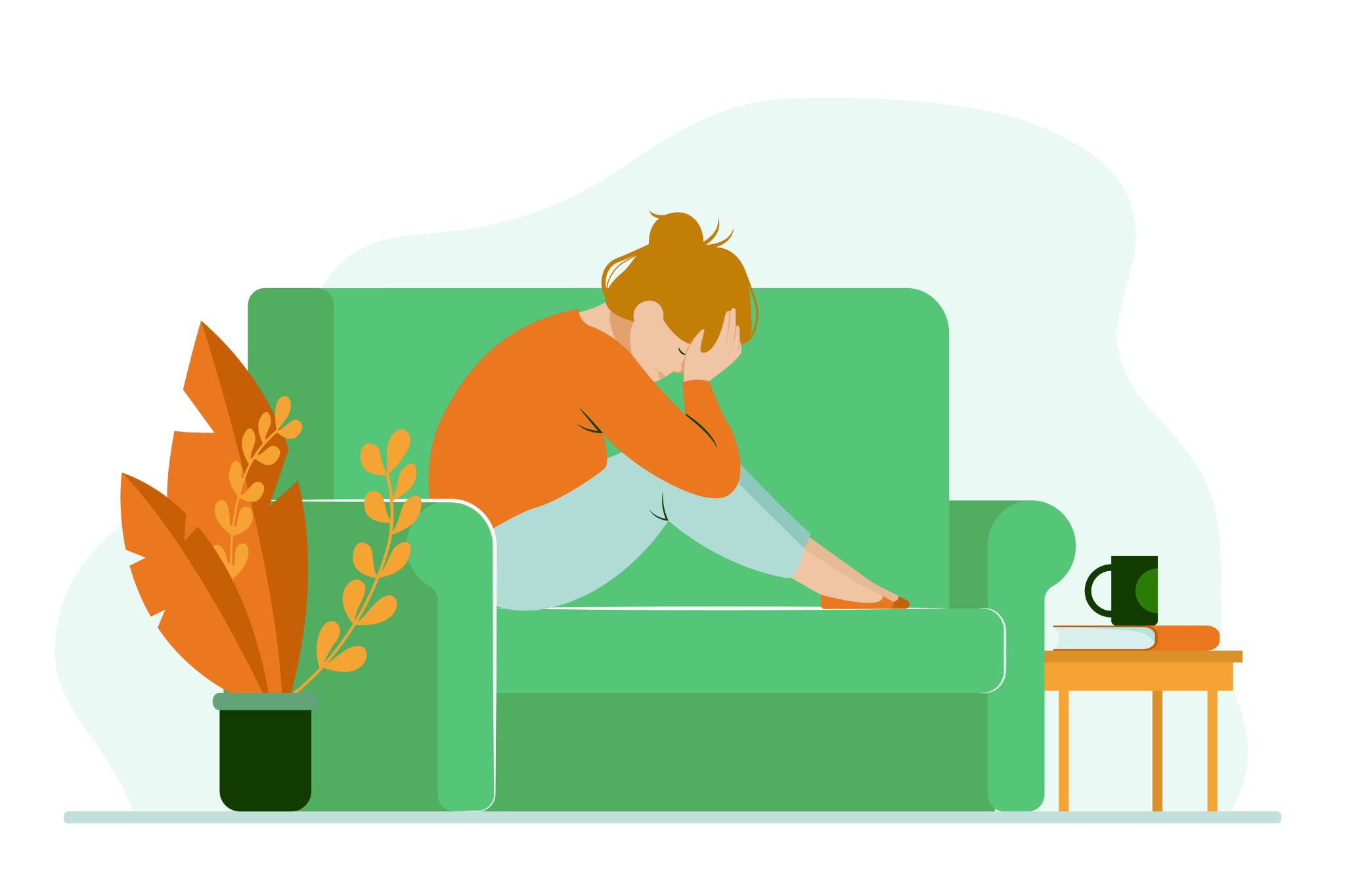
I would be lying if I told you that stress can be avoided – it can’t. We are subjected to it all the time, but the amount of stress, type of stress and how well we cope with it can vary. Although stress is generally considered to be in the mind, it can have very real, physical impacts. And, we can also experience physical stress by overdoing exercise, or simply not taking care of our bodies.
Writing this at the start of November, I am very aware of the extra pressures that we face at this time of year. The festive rush, the desire to get things done before the year is out, and the self-imposed pressure of perfection, all add to the usual day-to-day stresses and often our healthy habits and routines get pushed aside.
The Health Impacts of Stress
When our brains perceive a threat (stress) it triggers the fight or flight response in our bodies. The body prepares for action by sending blood and energy to your muscles and brain, and away from other functions such as the digestive system. As a result, digestion slows, stomach acid production can be disrupted, and the muscles that move food through the gut tense up. Your body is ready to respond, but since the threat is more likely to be a full inbox or long to-do list rather than a predator, instead of fleeing we tend to choose to fight – to battle on regardless.
The process our body goes through in response to stress is not usually a problem in the short-term. But, if this stress is long-lasting, or combined with other stresses, it can result in chronic stress, which is when health concerns become more noticeable.
Stress can lead to reduced digestive function which may disrupt stomach acid production and, research suggests it may increase intestinal permeability. This means that less desirable digestive products may sneak through the gut wall, along with the desired nutrients. Further, a digestion system not working optimally, along with potentially weakened bowels, may also mean you absorb fewer nutrients from your food.
Signs of a weakened, or irritated gut include:
- indigestion
- bloating
- diarrhoea and/or constipation
- stomach cramps
- increased food sensitivities.
If you are living with a digestive health condition such as IBD, IBS, colitis, diverticulitis, coeliac disease or Crohn’s disease you may be more likely to experience a flare-up.
Nutrition-Based Ways to Help Your Body Cope With Stress
I know that feeling pressured to eat healthily can feel stressful in itself, but eating nourishing food really can help you to feel healthier and more able to manage stress. When we are feeling stressed, the extra strain on the body can result in it needing more nutrients, and these aren’t necessarily available in convenience or junk foods you may be tempted to reach for. Instead think colour to boost your mood, and natural whole foods.
To help you, here are a few simple steps you could try:
- Start your day with breakfast, not just a coffee.
- Keep healthy snacks such as fruit, boiled eggs, seeds or nuts handy.
- Include a source of carbohydrate, protein and at least one fruit or vegetable in each meal.
- When you cook, cook extra to have the next day as leftovers or to freeze for a homemade convenience meal.
Some foods that are particularly good are ones that have anti-inflammatory properties – long-term stress is linked to inflammation in the body, which can make you feel unwell. These foods include colourful vegetables, berries, nuts, seeds and oily fish.
You may not make every meal perfectly balanced, and you may need to combine whole foods with something of convenience, but every extra nourishing food you add will contribute to maintaining your health.
Lifestyle-Related Ways to Help Your Mind and Body Cope With Stress
I know – you have so much to do, how can you possibly make changes to your lifestyle to look after you? I get it, the idea of planning and fitting more in may feel impossible when you are feeling stressed. That’s why it’s a good idea to have your strategies in place before you hit that wall. There is a quote that I love from Joyce Sunada: “If you don’t make time for your wellness, you will be forced to make time for your illness.”
So how can you do it? Things you could try in advance:
- Find your coping method: does focusing on your breath for a few moments help? Or, maybe you need to listen to your favourite music – even sing and dance along to release the tension.
- Learn to breathe: to breathe deeply you should be using your stomach not your chest – place one hand on each and see which rises the most as you breathe in. Breathing through your nose and not your mouth can help with this.
- Start journalling: you may not think you have much to write about, but once you start getting things out of your head and on to paper you may be surprised how it can flow. Journalling can help clear your mind and help you see problems with more clarity.
- Practice mindfulness: be fully aware of your surroundings – the feel, the smell, the colours, the sounds, the taste.
- Make sure you spend some time outside during daylight hours to help regulate your body clock and support your energy – feeling tired won’t help those feelings of stress.
Things to consider when you are feeling the stress:
- Employ the coping mechanism you identified above.
- Take the time to rest – yes take it, don’t plan to make time. Even just a few moments to regain composure. Make a cuppa and have a chat to a friend or relative. If you have longer, go for a walk, or take a bath or shower using your favourite scents.
- Reflect on your priorities, the likely effectiveness of the action you are taking (is it just an off-the-cuff reaction and not a considered response?). It’s OK to say no.
- Delegate anything you can let go to somebody you can rely on.
But, Don’t Get Stressed About It!
When you are already under a lot of stress, the thought of following health routines and adhering to guidelines can add more unwelcome stress. If that’s you, focus on each moment and the little things you can do – they all add up.
References/Further Reading
- Stress and the Gut: Pathophysiology, clinical consequences, diagnostic approach and treatment options – Konturek, Brzozowski and Konturek (2011)
- The enteric nervous system relays psychological stress to intestinal inflammation – Schneider, et al (2023)
- Brief structured respiration practices enhance mood and reduce physiological arousal – Balban, et al (2023)
- Diet, stress and mental health – Bremner, et al (2020)