Reflect on Your Goals
Did you set goals or resolutions for 2025? Think about:
- Which goals you’ve achieved, not yet achieved, and not progressed.
- Whether those goals are still relevant – your circumstances and priorities may be different now.
- Whether your goals are realistic – were they too ambitious considering your starting point? May be breaking them down into smaller steps would help.
Reflect on Your Health and Wellbeing
Our health requirements can change through the year. Be that due to changing circumstances, illness or successes. How are you doing right now? Consider:
- Do you experience any recurring ailments?
- How are your energy levels?
- What’s your fitness level?
- How good is your mental health?
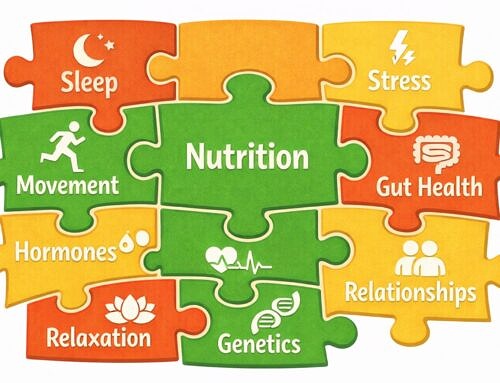
Once you know where you are at health wise, consider the factors that can support (or hinder) your health: sleep patterns, environment, diet, physical activity, finances, vices and relationships.
Reflection helps us understand why we want to make changes, and how — and that awareness makes any new habits far more sustainable.
Simple Actions to Progress Your Health and Wellbeing Goals
Big changes can often feel challenging and overwhelming. Instead try to set smaller goals that overtime add up to big changes. Here are some suggestions:
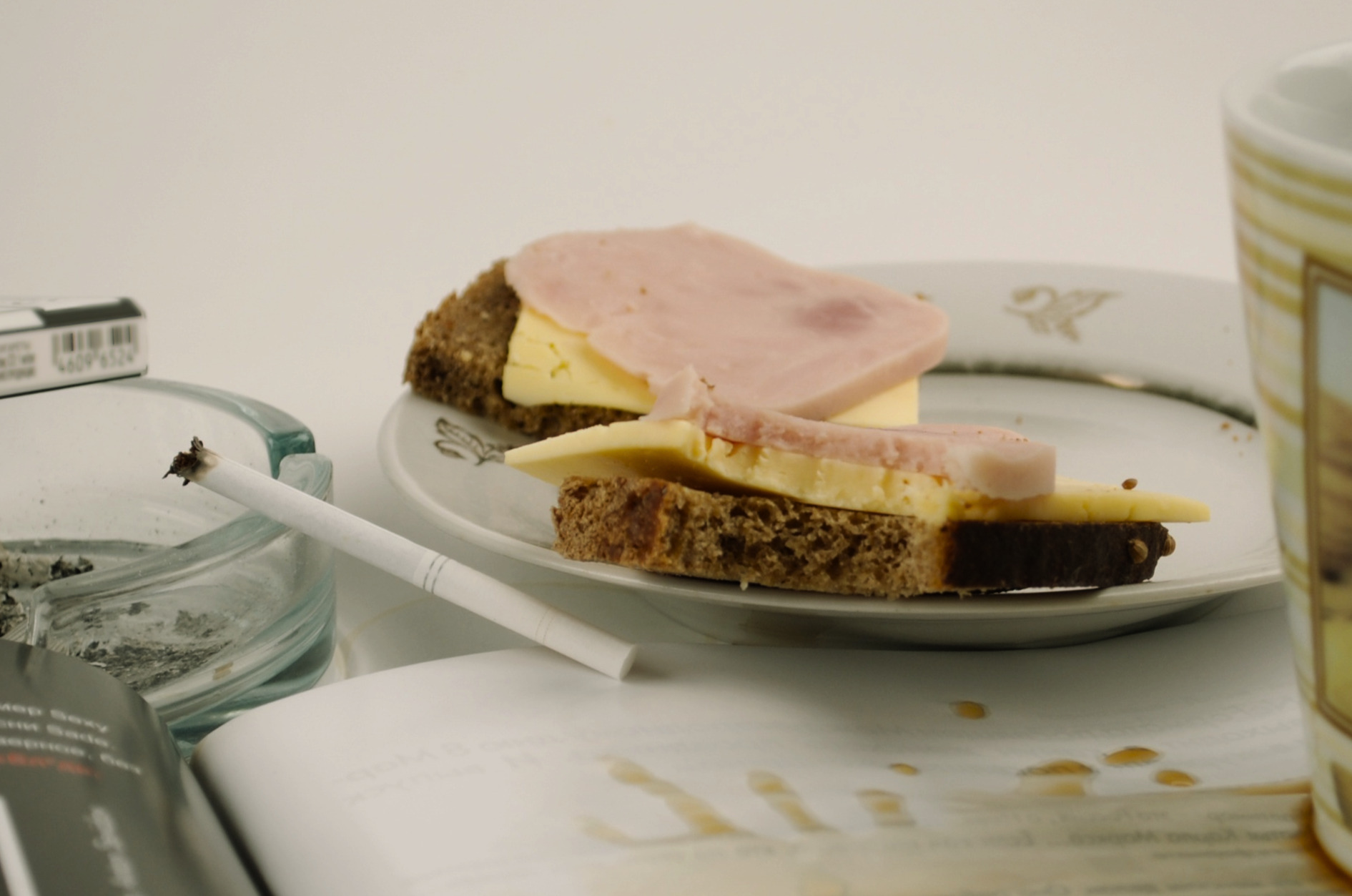
- Eat more healthfully: First, what does that look like to you? Choose just one aspect and work on that – try looking at just your breakfast so you start each day off on a positive.
- Eat more vegetables: Aim to add just one more portion of veg to your day, whenever suits you best. Try snacking on veg sticks; adding tomatoes to lunch; or adding a portion of broccoli to your evening meal. Check out my post on this topic!
- Eat less sugary foods: Try focusing on what you can add in, instead of restriction. You could make your elevenses biscuits into a nutrient boost with energy balls; or swap a dessert cake for a portion of fruit with natural yoghurt. For more ideas, take a look at this article I published.
- Get up earlier: Start to set your alarm for the same time every day and plan what you will do when you get up. This helps your circadian rhythm and reduces the ‘Monday morning blues’ after weekend lie-ins. If you find you are too tired, look at your bedtime routine.
- Get more exercise: Do you need to exercise or just be more active? What type of exercise appeals? If you are new, it may help to join a class or find a coach to help you learn good technique and avoid injury. If you will need to payout for membership, may be your first action is to set up a savings fund.
- Have more “me time”: However long you already have, add just 10 minutes. May be even just once a week. Think about how you will spend that time – reading (even just one page is a start), puzzles, meditation, walking (that’ll help with the exercise goal above too!), a self-manicure…… If it helps put it in your calendar like an appointment.
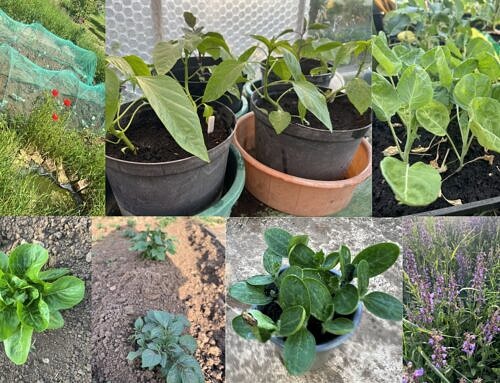
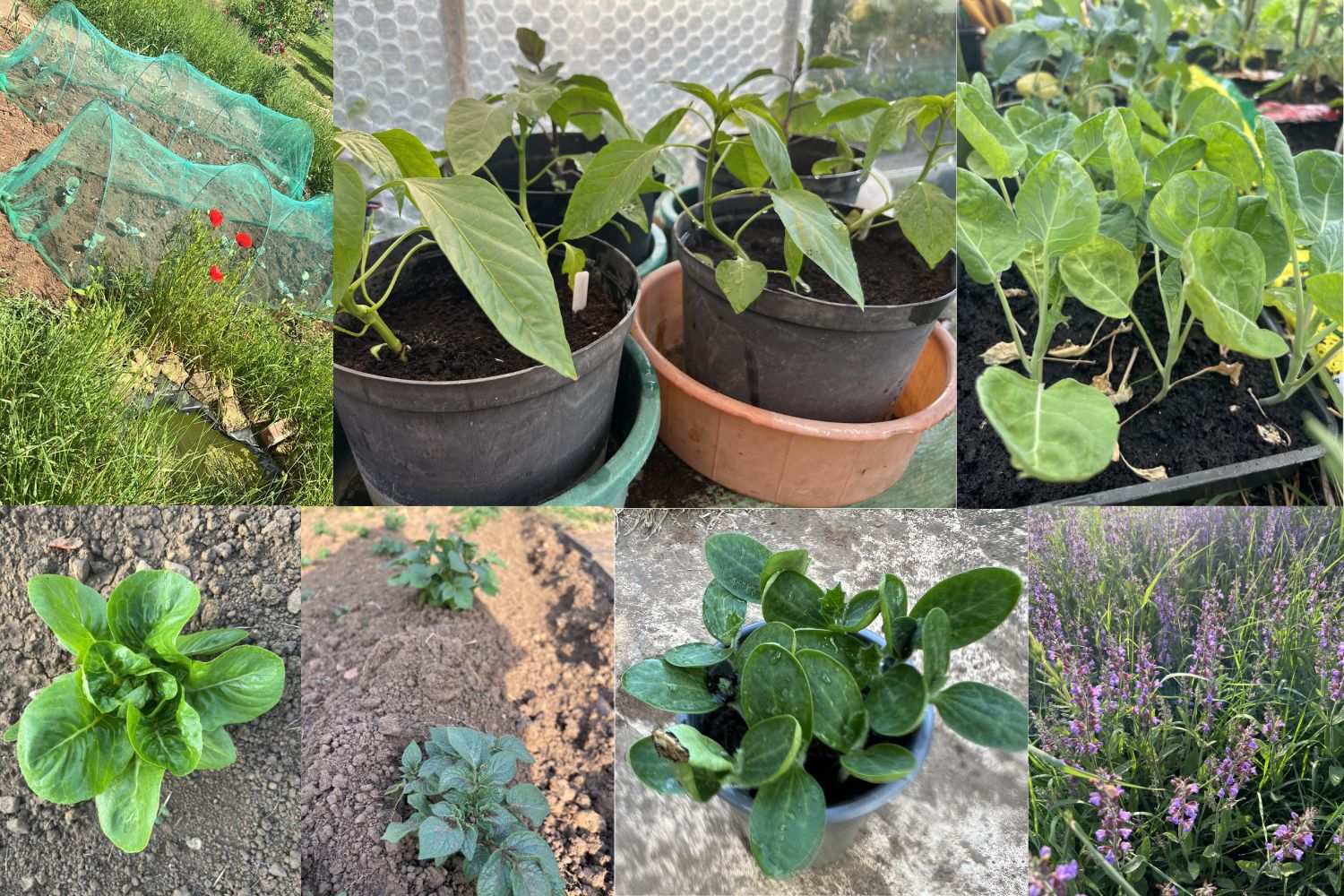
When my son changed schools he had to be out earlier in the day. His Dad drives him, so I take the opportunity to spend that time going for a walk or a 30-minute visit to my allotment. At pickup time I take a book and spend the 10 minutes I’m waiting for him reading. Using these short snippets of time like this means I can achieve four goals: more exercise, more time on my allotment, more ‘me time’, and getting through my reading list.
Once you have identified your smaller steps, put them into action and review after a couple of months. Only then consider taking another step.
If you like to read, Just One Thing by Michael Mosley is a great book about the small things you can do to support your health – one at a time. For other book ideas take a look at my book reviews.
Use Autumn as an Opportunity
If you need to take time to support your mental health, consider using autumn to help you practise mindfulness. Notice the changes happening in nature – the changing leaves, the crunchy fallen leaves (yes, I like to scrunch through them!), winter berries, etc. The golden-coloured rises and sunsets may also be easier for you to enjoy with the shorter daylight hours.
Nutritionally autumn is a great season. The orangey coloured squashes and pumpkins are great for your immune system. It is also a time to enjoy warm comfort foods, helping you achieve that goal of eating more veg:
- Veg-rich soups and stews (add pulses to top up those plant food points!)
- Roast vegetables with some spices
- Pies filled with veggies and served with a side of seasonal vegetables.
Add a portion of fruit with a comforting fruit crumble made with apples, pears or autumn berries.
A bonus with the ideas above is that they can be batch-cooked to save you time on busier days.
You can find some great seasonal recipes on BBC Goodfood.
Achieve Your Health and Wellbeing Goals at Any Time of Year
Remember: you don’t need to wait for January to make changes. Each meal, each day, is an opportunity to nourish your body in a new way.
Your body is ready for care and change right now. Start where you are, with what you have, and take that first nourishing step today.
Further Reading
For mental wellbeing tips take a look at Mind UK: https://www.mind.org.uk/information-support/tips-for-everyday-living/wellbeing/